Congress Disapproves California's Clean-Car Waivers
What California was trying to do
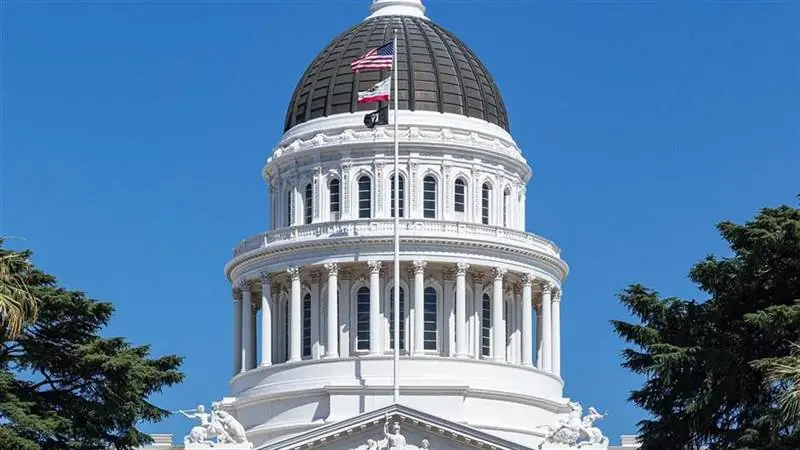
California's vehicle-emission authority operates through Section 209 of the Clean Air Act: the state can seek an EPA waiver to enforce its own standards, and other states can adopt qualifying California standards under Section 177. California adopted Advanced Clean Cars II in 2022, and EPA granted its waiver in December 2024. The rule's compliance schedule begins with model year 2026 and reaches 100% qualifying new passenger-car sales by model year 2035. Qualifying plug-in hybrids can meet a limited portion of the requirement, so describing it as a requirement that every new vehicle be battery-electric would be inaccurate.
Alongside it sat the Advanced Clean Trucks rule, granted a waiver in 2023, which required manufacturers to sell rising shares of zero-emission trucks — from 55% of Class 2b-3 pickups and vans to 40% of big truck tractors by 2035 — plus an "Omnibus" low-NOx rule for engines. Together they formed the backbone of California's plan to end the sale of new gasoline vehicles.
The vote and the signature
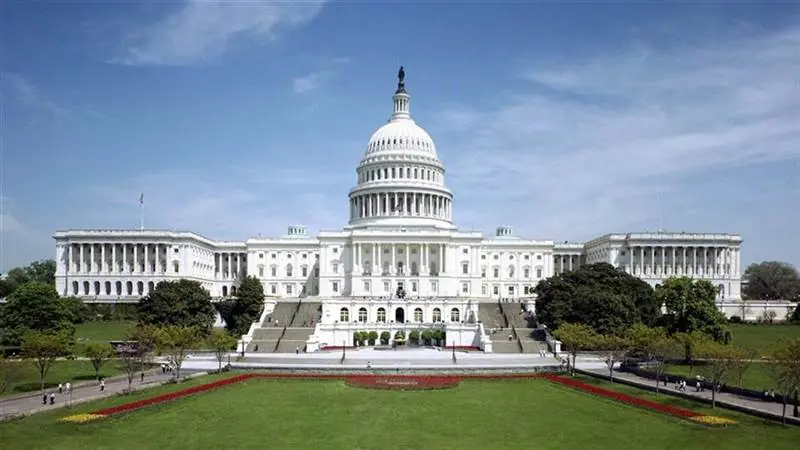
Congress had never before revoked a Clean Air Act waiver. The Congressional Review Act allows major federal rules to be voided by simple-majority resolutions, but the Senate Parliamentarian had ruled the CRA did not apply to waivers, which are not conventional rules. Senate Republicans overrode that ruling — itself an unprecedented step — and passed three joint resolutions in May 2025: H.J. Res. 87 targeting Advanced Clean Trucks, H.J. Res. 88 targeting Advanced Clean Cars II, and H.J. Res. 89 targeting the Omnibus low-NOx rule.
President Trump signed all three on June 12, 2025. According to the White House statement, the resolutions meant California's programs were "fully and expressly preempted by the Clean Air Act and cannot be implemented," and the EPA was barred from approving any future waivers "substantially the same" as the revoked ones. The administration argued that greenhouse gases, by definition, have no localized effects and therefore cannot qualify for California waivers.
California fights back in court
California and a coalition of states filed a lawsuit on June 12, 2025 in the Northern District of California challenging the use of the CRA against the waivers. California's Attorney General argued that waiver decisions are not the type of rules the statute allows Congress to disapprove. Those are the state's legal arguments, not findings that a court had already adopted when the complaint was filed. The complaint concerns the 2025 congressional disapprovals and must be distinguished from older litigation over earlier California standards. Subsequent filings and any operative orders need their own dates and case references.
A separate Supreme Court decision on June 20, 2025, Diamond Alternative Energy v. EPA, held that fuel producers had standing to challenge EPA's approval of earlier California vehicle standards. That case arose from EPA's 2022 reinstatement of a waiver for the earlier regulatory program; it was not a ruling on the 2024 ACC II waiver or on the merits of Congress's 2025 disapprovals. The Court reversed the standing decision and remanded the case. Standing establishes who may bring a lawsuit; it does not itself decide whether the challenged emission rules are lawful.
What the revocation actually changed
The congressional action challenged the federal authorization on which the covered California standards rely. It did not repeal every California clean-transport policy, remove all state purchase incentives, or resolve every dispute involving other states. For an automaker, a compliance assessment has to identify the particular rule, model year, jurisdiction and operative order. For a buyer, a manufacturer's product announcement is a separate matter from the legal status of a sales mandate: a vehicle may remain available even if the policy requiring a sales share is being contested.
California's own regulator has already retrenched in parts. In September 2025, the Air Resources Board formally repealed the most contested provisions of its Advanced Clean Fleets rule — the requirements for drayage trucks and large "high priority" fleets — provisions it had agreed not to enforce in lawsuit settlements. The state continues to enforce other components while the cases proceed.
What it means for the 2035 target
The federal administration described the signed resolutions as preventing implementation of the covered waiver-based programs; California disputes that conclusion and the legality of using the CRA in this way. Reporting those positions does not establish a final judicial outcome. The federal clean-vehicle tax credits also ended for vehicles acquired after September 30, 2025, according to the IRS, but that is a separate change to tax law. It should not be described as a consequence of the Supreme Court's standing decision or as proof that all state EV support ended.
Market figures require the same care with definitions. Kelley Blue Book estimated 1,275,714 US battery-electric sales in 2025, about 7.8% of new-vehicle sales. A broader plug-in registration series can produce a different share because it includes different powertrains and uses a different measurement. Neither number establishes whether California's legal arguments will succeed. They describe consumer purchases under the policies and products available during the measured year, rather than a forecast for what a 2035 rule will deliver.
Why this case matters beyond EVs
The next useful legal evidence is a dated order addressing the specific waivers and the relief requested, followed by any appeal. The question of whether a waiver is reviewable under the CRA is distinct from the merits of an emission standard, the availability of a particular vehicle, and eligibility for a rebate. Keeping those questions separate lets readers follow the dispute without treating a procedural victory, an administration statement or a manufacturer's sales plan as the final answer to all three.