States Step In as Federal EV Support Retreats
The federal pullback
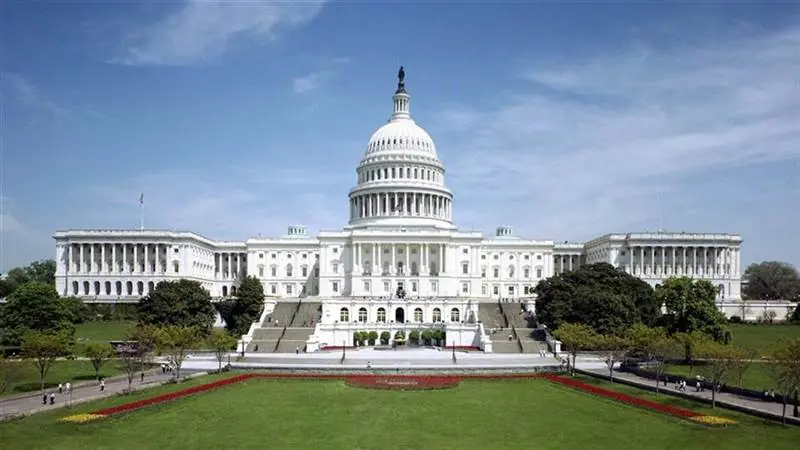
American EV buyers lost their biggest discount in the autumn of 2025. The One Big Beautiful Bill Act, signed on July 4, 2025, ended the 7,500-dollar Clean Vehicle Credit for new electric vehicles and the 4,000-dollar credit for used ones for anything purchased after September 30, 2025, according to the Internal Revenue Service and tax-policy trackers. The commercial clean vehicle credit expired the same day, and the separate 30C credit for home charger installation is scheduled to lapse on June 30, 2026. What remains federally is an auto loan interest deduction of up to 10,000 dollars per year on American-assembled vehicles, available through 2028 — a narrower sweetener with no upfront value at the dealership.
The effect was immediate. Sales surged ahead of the deadline as buyers rushed to close deals, then dropped sharply as the credit vanished: US electric vehicle sales fell more than 40 percent year over year in November 2025, according to Cox Automotive data. Automakers that had built marketing plans around the credit spent the winter repricing leases and hunting for replacement talking points. Into that vacuum stepped the states — and, less visibly, the utilities.
Colorado leads the patchwork
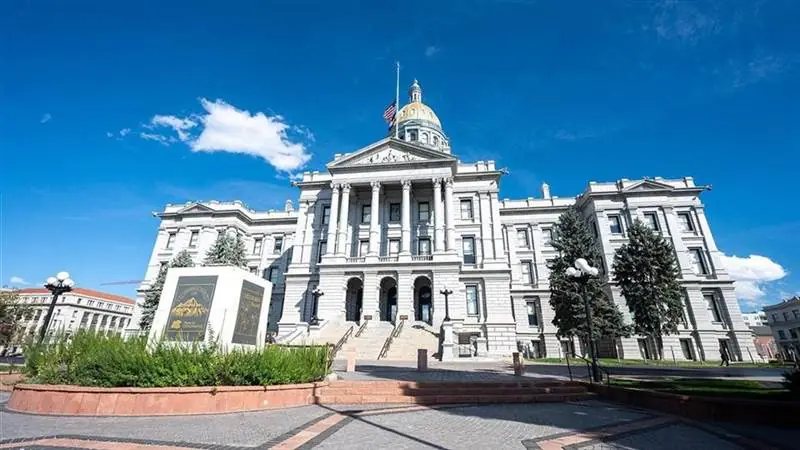
No state leaned in harder than Colorado. Its Innovative Motor Vehicle Credit is worth up to 5,000 dollars on a new EV or plug-in hybrid with an MSRP up to 80,000 dollars, and it is refundable at the point of sale through participating dealers, meaning buyers see the money immediately rather than waiting for tax season, according to the Colorado Department of Revenue. For used EVs, the state's Vehicle Exchange Colorado program offers income-qualified households up to 6,000 dollars toward a replacement electric car with a trade-in — a sum the state raised from 4,000 dollars in November 2025 specifically to offset the federal credit's demise.
Stacked together, Colorado's programs can still cover a meaningful share of an EV's price, which is why analysts now rank the state as the best place in America to buy electric, ahead of former federal credit levels for many buyers.
Rebates from Hartford to Salem
The Northeast runs its own counteroffensive. Connecticut's CHEAPR program pays a standard rebate of 2,250 dollars on eligible new or used EVs up to 50,000 dollars in MSRP, rising to as much as 4,250 dollars with the income-qualified Rebate Plus add-on, per the Connecticut Department of Energy and Environmental Protection. New Jersey's Charge Up program applies instantly at the dealership: 1,500 dollars for a new eligible EV, another 2,500 dollars for income-qualified buyers, up to 250 dollars toward a home charger — and, uniquely, New Jersey waives its full 6.625 percent sales tax on zero-emission vehicles, per the state Board of Public Utilities.
Oregon offers one of the most generous combinations anywhere: a standard Clean Vehicle Rebate of up to 2,500 dollars plus a Charge Ahead rebate of up to 5,000 dollars for lower-income households, for a potential 7,500 dollars per car, according to the Oregon Department of Environmental Quality. Elsewhere, Illinois pays up to 4,000 dollars, Massachusetts' MOR-EV program reaches 3,500 dollars, Maryland offers up to 3,000 dollars in excise tax credits and New York's Drive Clean rebate adds as much as 2,000 dollars at the dealer.
California, the country's largest EV market, takes a different route. Its Clean Cars 4 All program provides as much as 12,000 dollars for income-qualified households retiring an older gasoline car, while the long-running Clean Vehicle Rebate Project closed to new applications in November 2023 after distributing more than 1.3 billion dollars to some 594,000 buyers, per the California Air Resources Board. Smaller programs round out the map: Vermont pays up to 5,000 dollars, Pennsylvania up to 3,000 dollars, and Delaware and Rhode Island up to 2,500 dollars each, according to the Department of Energy's state incentives listing. All told, roughly a dozen states plus the District of Columbia keep meaningful purchase incentives alive.
The utility layer
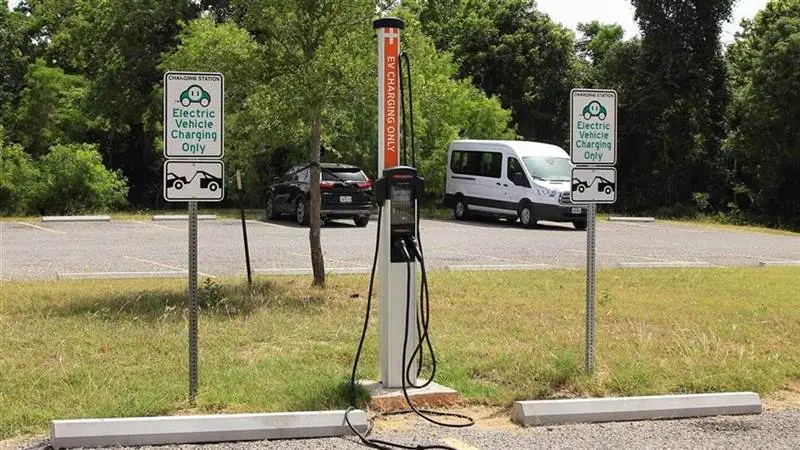
Beneath the state programs sits a quieter source of money: electric utilities. Con Edison in New York, Xcel Energy in Colorado and dozens of other utilities offer rebates typically ranging from 500 to 5,500 dollars for vehicle purchases or leases, along with incentives for home chargers and off-peak charging rates, according to the Department of Energy and incentive aggregators. Because these stack on top of state rebates, a buyer's real discount is often several thousand dollars higher than the headline state figure — if they know to ask.
Many states sweeten ownership beyond the purchase itself, with perks such as high-occupancy-vehicle lane access for EVs and reduced registration fees, benefits that cost treasuries little but add real convenience for commuters.
A patchwork with seams
Used-car buyers, who lost the most with the federal 25E credit, find the thinnest options. A handful of state programs still cover secondhand EVs — Connecticut's CHEAPR applies to used vehicles and Colorado's Vehicle Exchange targets them directly — but in most states the used market now runs on price alone. Dealers have responded by promoting utility rebates and the federal loan-interest deduction in their place, a sign that the support system is being rebuilt rather than simply replaced.
The state-first system has obvious flaws. Funding pools can exhaust mid-year — New Jersey's fiscal year resets each July, and programs including Oregon's have paused when budgets ran dry. Eligibility varies wildly: income caps, MSRP ceilings and residency rules differ state by state, and buyers in Texas, Florida and most of the South now face zero purchase support at any level of government. The result is a map where geography largely determines what an electric car costs.
Still, the direction is clear. Where Washington retreated, statehouses and utilities advanced, preserving a floor under EV demand in much of the country. For buyers in cooperating states, 2026 offers discounts that can approach — and occasionally match — the old federal credit. For the industry, the patchwork is messier to market than a single national incentive, but it keeps the transition moving while federal policy regroups.