Toyota Pushes Solid-State Batteries Toward 2027-2028
The World's Largest Automaker Bets on Solid Electrolytes
Toyota has talked about all-solid-state batteries for more than a decade, and the project is finally entering its industrial phase. Together with the Japanese refiner Idemitsu Kosan, Toyota is building the material supply chain needed to put solid-state packs in battery electric vehicles, with a target of commercializing such vehicles in 2027 to 2028. The claim of a battery that charges in roughly ten minutes and delivers around 1,000 kilometers of range has moved from laboratory slide to factory blueprint.
All-solid-state batteries replace the flammable liquid electrolyte in conventional lithium-ion cells with a solid one. According to Idemitsu, the change lets ions move more easily, enabling shorter charging times and higher power output, while improved resistance to high voltage and temperature should lift energy density and lengthen service life. For an automaker that sells roughly ten million vehicles a year, a dependable path to that chemistry could reshape its entire electric lineup.
Idemitsu Breaks Ground on a Large Pilot Facility
The clearest sign of progress came on January 29, 2026, when Idemitsu announced a final investment decision and the start of construction on a large pilot facility for producing solid electrolytes, the critical material inside an all-solid-state cell. According to the company's release, the plant is being built at its Chiba Complex in Ichihara City, with construction handled by Chiyoda Corporation and completion targeted for 2027. Production capacity is expected to reach several hundred tons of solid electrolyte per year.
The facility is the third step in a deliberate scale-up. Idemitsu already operates two small-scale verification plants, including one that develops solid electrolytes specifically for Toyota, and the company says the new plant's output is planned to feed the all-solid-state batteries Toyota develops for its electric vehicles. The work is supported by Japan's Green Innovation Fund program run by NEDO, the New Energy and Industrial Technology Development Organization, underscoring the strategic weight Tokyo places on the technology.
Building the Full Value Chain
Electrolyte is only one ingredient. In February 2025, Idemitsu announced it would construct a large-scale production facility for lithium sulfide, a key intermediate raw material for solid electrolytes, and that plant is progressing toward completion in June 2027, according to the company. Idemitsu's sulfide electrolytes draw on sulfur recovered as a by-product of petroleum refining, a vertical link that gives the oil company an unusual stake in electrification.
Toyota has also pulled in Sumitomo Metal Mining. In October 2025, the two companies announced a collaborative development agreement for mass production of cathode materials for solid-state batteries, aiming to support the launch of electric models equipped with the technology between 2027 and 2028. Degradation of cathode materials during repeated charging has been one of the stubborn obstacles to durable solid-state cells, and Sumitomo's powder synthesis expertise is aimed squarely at that problem.
The Performance Targets on the Table
Toyota's public roadmap, laid out in late 2023, set the expectations that still frame the program. The company said it aims to launch its first generation of solid-state batteries in 2027 to 2028, enabling electric vehicles with a cruising range of up to 1,000 kilometers, roughly 620 miles, and charging from 10 to 80 percent in about 10 minutes. A second generation under development targets around 1,200 kilometers, according to the roadmap reported by Japanese media and summarized by Reuters.
Those numbers imply roughly double the energy density of today's best liquid-electrolyte cells, packaged in a battery that tolerates fast charging without the lithium plating that plagues conventional packs. Toyota has said a technological breakthrough on durability, a challenge that had delayed the program for years, is what allowed it to accelerate development toward battery electric vehicles rather than hybrids alone.
From Hybrids to BEVs: How the Plan Evolved
The program's trajectory is itself instructive. Toyota spent years positioning solid-state cells as a hybrid technology, where smaller packs mask cost and longevity issues, and earlier timelines kept slipping as durability problems refused to yield. According to Toyota's own 2023 technical briefing, the company discovered a breakthrough that overcame the long-standing durability challenge and, rather than keeping the cells for hybrids, decided to accelerate development as a battery for battery electric vehicles.
The 2027 to 2028 window that followed has held firm ever since. In 2025, Toyota reaffirmed the schedule in a joint announcement with Sumitomo Metal Mining, and Idemitsu's January 2026 investment decision gave the plan its first piece of committed industrial hardware. Details of the intended cells reported by automotive media point to energy density targets of roughly 450 to 500 watt-hours per kilogram, more than double current liquid cells, along with cycle life expectations beyond 2,000 charges, though Toyota has not confirmed every figure publicly.
Why Scale-Up Is the Hard Part
Moving from grams to hundreds of tons is where solid-state programs usually stall. Sulfide electrolytes are sensitive to moisture, must be handled in controlled atmospheres, and require cell manufacturing techniques quite different from today's coating and stacking lines. Idemitsu's plan, scaling step by step from the small plants to the large pilot facility and then to commercial production, is designed to retire that manufacturing risk before Toyota commits to full volume.
Cost is the second hurdle. Early solid-state packs will be expensive, and most analysts expect the first Toyota models to use the technology as a halo feature in premium vehicles rather than a mass-market upgrade. The 2027 to 2028 window therefore represents a commercialization milestone, not an overnight transformation of the fleet.
A Competitive Race With a Japanese Lead
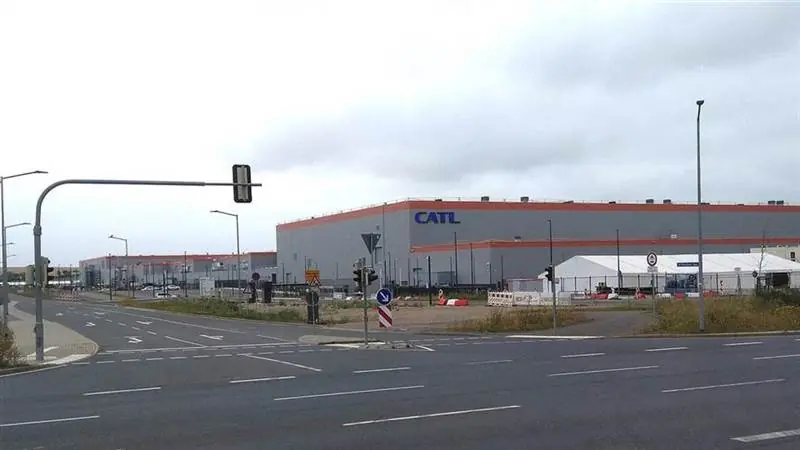
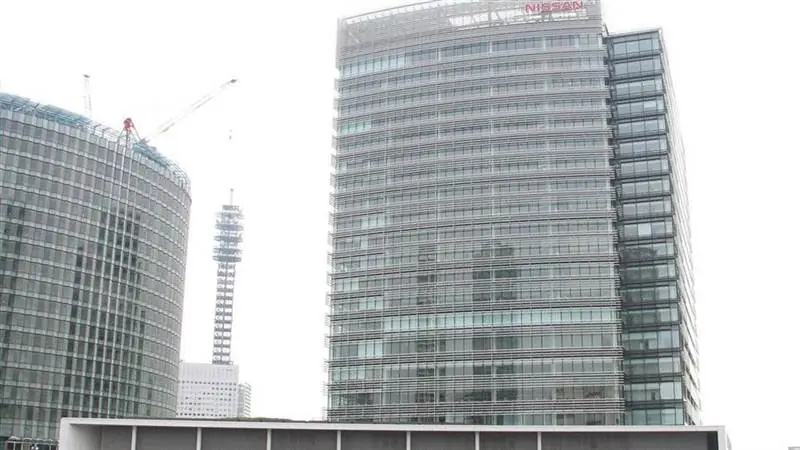
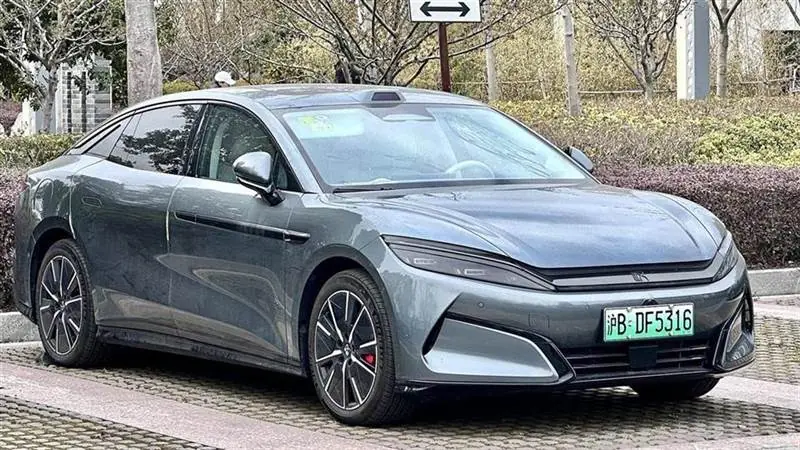
Toyota is not alone. Nissan has a pilot line producing sample cells at its Yokohama plant for a fiscal 2028 launch target, Honda opened its own demonstration line, and Samsung SDI and Chinese makers including CATL and BYD have all pointed at the same late-decade window. What distinguishes the Toyota-Idemitsu effort is its depth: a carmaker, an electrolyte supplier and a cathode partner building an integrated Japanese supply chain with state funding behind it.
If the Chiba plant completes on schedule in 2027 and the first Toyota solid-state EVs follow in 2027 or 2028, the company that long resisted a pure-electric pivot could leapfrog straight to the technology everyone else is still promising. For now, the industry is watching Ichihara City, where several hundred tons of powder a year will decide whether the solid-state era starts on time.