Hyundai Ioniq 9 Brings Three-Row Space to the Ioniq Family
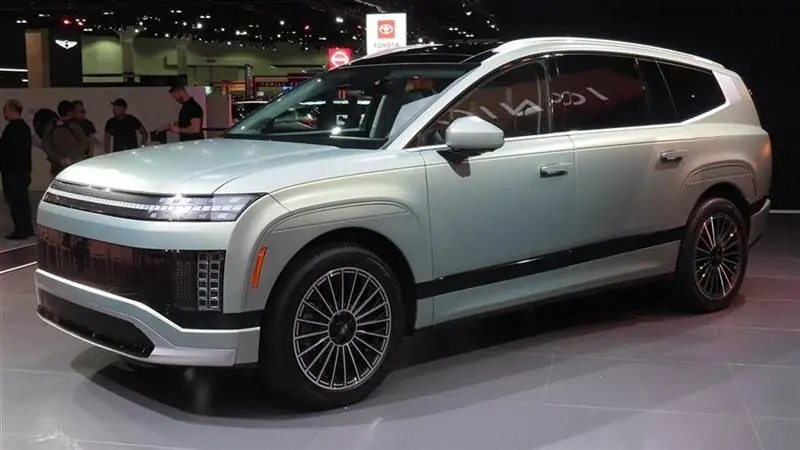
The Ioniq lineup finally goes full-size
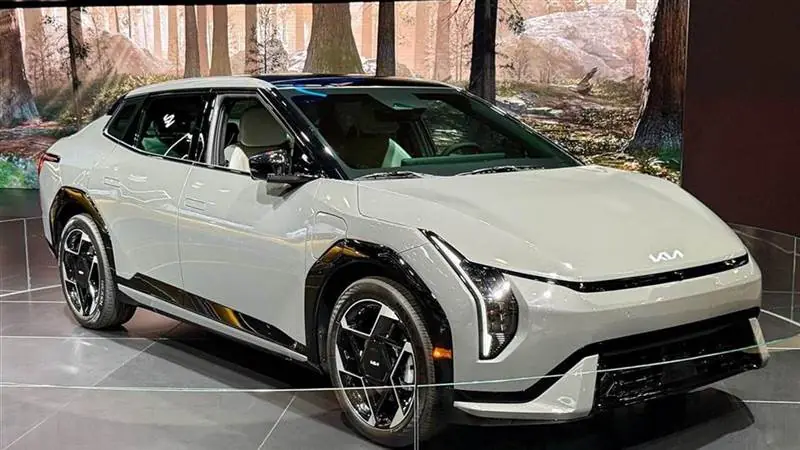
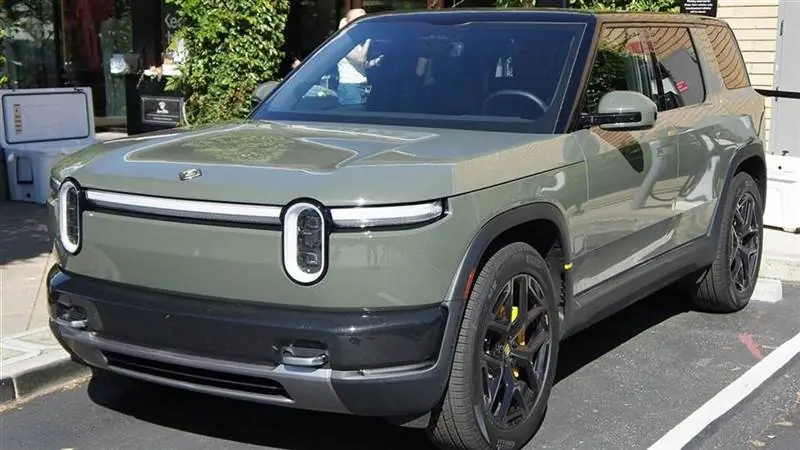
Hyundai unveiled the Ioniq 9, its first large three-row electric SUV, at a world premiere held at the landmark Goldstein House in Los Angeles on November 20, 2024, ahead of the LA Auto Show, according to Hyundai's press release. Following the Ioniq 5 and Ioniq 6, both World Car of the Year winners, the Ioniq 9 completes the Ioniq trio and pushes the brand's EV strategy into family-sized territory occupied by the Kia EV9, Rivian R1S and Volvo EX90.
Built on Hyundai Motor Group's E-GMP skateboard platform, the Ioniq 9 carries a 110.3 kWh battery, larger than the pack in its corporate cousin, the Kia EV9. Hyundai quotes a projected WLTP range of 620 kilometers for the long-range rear-wheel-drive version on 19-inch wheels. In the United States, the EPA rates the RWD S trim at up to 335 miles per charge, with AWD SE and SEL trims at 320 miles and the Performance trims at 311 miles, according to Hyundai Motor America.
American pricing and where it is built
US pricing was announced on May 1, 2025. The entry Ioniq 9 RWD S starts at $60,555 including destination, while the Performance Limited arrives at $72,850 and the range-topping AWD Performance Calligraphy Design at $78,090, all including destination charges, per Hyundai's pricing release. Hyundai noted at launch that every trim qualified for the full $7,500 federal tax credit, though that incentive landscape has since shifted with the credit's later expiration in the US.
Every Ioniq 9 sold in the US is built at the Hyundai Motor Group Metaplant America in Bryan County, Georgia, where it is the second model produced at the brand-new facility. That domestic assembly matters for both supply-chain politics and for Hyundai's broader American manufacturing push. Korean sales began in the first half of 2025, with European and other market rollouts planned later, according to the company.
Charging: the E-GMP party trick
Like the Ioniq 5 before it, the Ioniq 9 uses an 800-volt electrical architecture that makes it one of the fastest-charging SUVs on the market. Hyundai says the battery can recharge from 10 to 80 percent in as little as 24 minutes on a 350-kW DC fast charger, and independent testing has measured peak charging rates above 230 kW. The SUV is also among the first non-Tesla models with a native NACS port, giving direct access to the Tesla Supercharger network, and Hyundai includes CCS adapters for compatibility with older public chargers.
Buyers at launch could choose a complimentary ChargePoint Home Flex Level 2 charger or a $400 charging credit through the Hyundai Home Marketplace, per the company's announcement.
Space as the headline feature
Hyundai's pitch for the Ioniq 9 is roominess. The flat E-GMP floor allows seating for six or seven, and Hyundai claims 2,050 millimeters of combined legroom across the second and third rows plus 1,899 millimeters of headroom. The first- and second-row Relaxation Seats recline fully with leg rests, and Hyundai says up to four occupants can rest while the car charges. In select markets, second-row swiveling seats let rear passengers face each other when parked.
Cargo flexibility is generous for the class: with the third row folded, the trunk swallows up to 1,323 liters, and all rows upright still leave 620 liters, according to Hyundai. There is also a front trunk with up to 88 liters on RWD models. The slidable Universal Island 2.0 console moves up to 190 millimeters between the front seats, creating a walk-through cabin, and USB-C ports run through all three rows.
Design and aerodynamics
Styling follows what Hyundai calls an aerosthetic philosophy, blending a smooth curved roofline with a tapered boat-tail rear inspired by nautical forms. The company quotes a drag coefficient of 0.259 when fitted with digital side mirrors, remarkable for a full-size three-row SUV and a key enabler of the range figures above. Parametric pixel lighting cues tie the Ioniq 9 visually to its smaller siblings, while 19- through 21-inch wheels cover the range of trims.
How it stacks up
Early reviews have been broadly positive. MotorTrend named the Ioniq 9 a 2026 SUV of the Year finalist, praising its composed ride, lounge-like cabin and charging speed, while noting that driver-assist technology lags some rivals and that acceleration on the long-range RWD version is unhurried. Car and Driver's testers measured the Performance AWD at 4.4 seconds from 0 to 60 mph and 260 miles in its 75-mph highway range test.
Against the Kia EV9, the Ioniq 9 offers a larger battery and, in comparable trims, more power; against the Rivian R1S and Tesla Model X, it counters with a lower entry price and standard NACS charging. The realistic rival set also includes the new three-row entrants from Chinese brands in markets where they compete.
For Hyundai, the Ioniq 9 is more than another model. It is proof that the E-GMP platform scales to the largest consumer segment, and a statement that the company intends to lead, rather than follow, in the three-row electric family SUV class as the market widens beyond early adopters.