Tesla Cybercab: Production Starts on a Steering-Wheel-Free Robotaxi
From stage prop to production line
When Elon Musk rolled a gleaming, doorless-mirrored two-seater onto the Warner Bros. studio lot on October 10, 2024, at Tesla's We, Robot event, the Cybercab looked like a concept that might never shed its prototype status. It had no steering wheel, no pedals and exactly two seats, and Musk said then that Tesla aimed to bring it to volume production in 2026. As of late July 2026, that promise has moved from aspiration to factory floor: Tesla confirmed in its second-quarter 2026 update, released July 22, 2026, that it has begun production of the Cybercab at Gigafactory Texas, calling the vehicle the workhorse of its Robotaxi fleet.
The quarterly update describes more than assembly-line activity. Engineering test drives of production Cybercabs on public roads began during the quarter, and Tesla started offering employee rides in the vehicles on its Gigafactory Texas campus in July, steps the company describes as important precursors to deploying the Cybercab in its Robotaxi service, according to the Q2 2026 shareholder update.
A car designed to have no driver
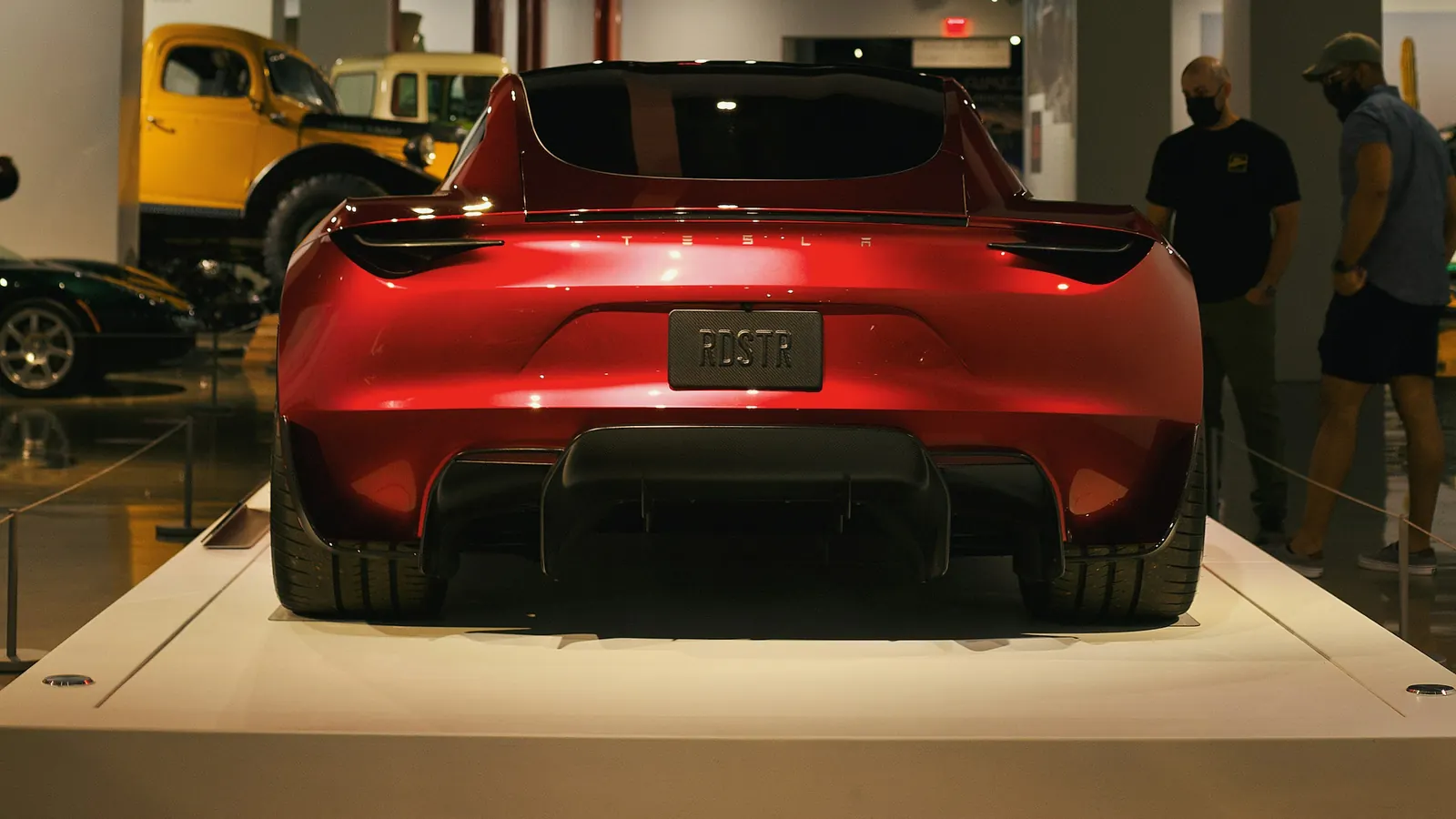
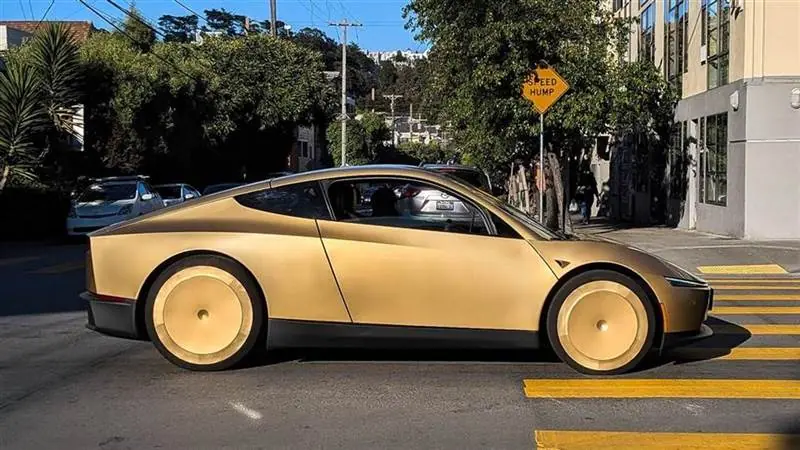
The Cybercab is unlike anything else on a production line today. It is a two-seat coupe with butterfly doors, a large central touchscreen and no manual driving controls whatsoever, built on Tesla's camera-based vision system rather than radar or lidar. Every design decision serves the same goal: a vehicle that never needs a human behind the wheel and rarely needs a human at all.
Even refueling is automated. At the 2024 reveal, Musk said the Cybercab will charge inductively, without plugs, so the car can park itself over a charging pad between fares. That detail matters for fleet economics, since a robotaxi that cannot plug itself in would need attendants or expensive automated connector arms at every depot.
The reveal itself doubled as a working demonstration. Around twenty Cybercabs ferried guests around the studio lot at the We, Robot event, alongside Optimus humanoids and Model Y robotaxis, making the case that the car was far closer to production than a typical auto show prop. The two-seat cabin keeps a single central screen and little else, reflecting a vehicle that will never carry a driver and rarely carries more than one fare at a time.
The sub-$30,000 question
Musk has repeatedly said the Cybercab is targeted to cost less than $30,000, and Tesla has never confirmed an official retail price. The target is plausible because the car is deliberately small and simple: a low-capacity battery, a minimal interior and far fewer parts than a conventional car, per Tesla's statements at the reveal. Musk has also suggested that volume could eventually reach as many as two million Cybercab-class vehicles per year, a figure that remains an ambition rather than a plan etched in factory schedules.
The price matters less per unit than per mile. Tesla's argument, made repeatedly since the reveal, is that autonomous operation turns the vehicle into a revenue asset, so the relevant metric is cost per mile across years of near-continuous utilization. A cheaper, simpler car that spends most of the day earning amortizes faster than a fully loaded consumer EV that sits parked 95 percent of the time.
The Robotaxi context
The Cybercab does not launch into a vacuum. Tesla began offering paid Robotaxi rides in Austin in June 2025 using a small fleet of Model Y vehicles supervised by safety monitors, and the service has since expanded, according to Tesla's updates. The company's Q2 2026 update also notes that Tesla launched Robotaxi in three Florida cities in July, evidence that the network strategy is growing alongside the purpose-built vehicle that is meant to scale it.
The Cybercab is meant to be the unsupervised endgame of that program, the vehicle Tesla designed from scratch for driverless service rather than a converted passenger car. Tesla has also flagged battery pack capacity as the main constraint on near-term vehicle production growth, which makes the Cybercab's relatively small battery an advantage as the company works to expand cell supply.
Regulation remains the pacing factor. United States federal motor vehicle safety standards were written around human drivers, and manufacturers have needed exemptions or state-level frameworks to deploy vehicles without steering controls. Tesla's approach has been to ramp production and real-world testing while regulators adapt, a strategy that carries risk if approvals stall but enormous leverage if they accelerate.
Economics built from first principles
Tesla claims the Cybercab's design attacks cost from every direction. The company has emphasized the unibody's simplified structure, the absence of components a driverless fleet does not need and a manufacturing process optimized for scale. The math Tesla promotes is straightforward: fewer parts, lower unit cost, higher utilization and near-zero marginal cost per ride, per the company's presentations since 2024.
Optimists point out that a purpose-built robotaxi has no driver's license to insure, no steering column to engineer and no premium interior to justify, while skeptics counter that autonomy software, remote operations and depot infrastructure carry costs that never show up on a window sticker. The Q2 2026 update shows Tesla is funding all three at once, with continued investments in manufacturing, charging infrastructure and the AI systems behind the wheel, per the shareholder letter.
Competition is real, though. Waymo operates paid driverless services in multiple U.S. cities with a sensor-heavy approach and a strong safety record, and rivals in China are deploying purpose-built robotaxis at aggressive price points. Tesla is betting that vision-only autonomy and manufacturing scale will beat sensor redundancy and slower fleet growth, a wager the Cybercab's production ramp will now test in public.
What to watch next
Three milestones will define the Cybercab's 2026. First, the pace of the ramp at Gigafactory Texas, which determines whether volume production in 2026 was realistic or optimistic. Second, an official price, which will confirm whether the sub-$30,000 promise survives contact with the bill of materials. Third, the first commercial Cybercab rides in Tesla's Robotaxi service, the moment the vehicle starts earning instead of testing.
A production car with no steering wheel would have sounded like science fiction a decade ago. It is now rolling off a Texas assembly line, and the only question left is how quickly the rest of the world is ready for it.