LFP Batteries Take Over the Mainstream EV Market
From Niche Chemistry to Market Majority
For most of the 2010s, the batteries powering electric cars were built on nickel-rich chemistries that promised long range but carried high costs and persistent safety questions. Lithium iron phosphate, known as LFP, was widely dismissed as a low-energy option suited only for buses and budget city cars. That story has now flipped. According to the International Energy Agency's Global EV Outlook 2026, LFP accounted for more than 55 percent of all EV battery capacity deployed worldwide in 2025, up from close to 50 percent in 2024. Total deployment across all chemistries reached roughly 1.2 terawatt-hours in 2025, nearly 30 percent more than the year before.
The shift is deepest in China. Data compiled by the China Automotive Battery Innovation Alliance and reported across the industry shows LFP taking more than 80 percent of battery installations for new energy vehicles there in 2025. In emerging economies beyond China, the IEA reports that LFP now powers about two-thirds of electric car sales. What began as a cost-driven choice by a handful of Chinese automakers has hardened into the default chemistry for the fastest-growing segments of the EV market.
Why Automakers Are Making the Switch
LFP's advantages are structural rather than incremental. The chemistry omits nickel and cobalt entirely, and industry analyses generally put its material costs roughly 30 percent below comparable nickel-manganese-cobalt cells. Iron and phosphate are abundant, supply chains are simpler, and production lines can scale quickly, which is a decisive advantage as EV makers fight for every point of margin in the mass market.
Safety and durability matter just as much. LFP cells tolerate overcharge and high temperatures far better than nickel-based packs, with thermal-decomposition temperatures typically cited above 500 degrees Celsius, roughly double the threshold of many ternary cells. Cycle life is another selling point: well-made LFP packs are commonly rated for several thousand full cycles, with some manufacturers claiming up to 10,000, which translates into a battery that can outlast the car around it. For fleet operators and buyers planning to keep a vehicle for a decade, that longevity is worth real money.
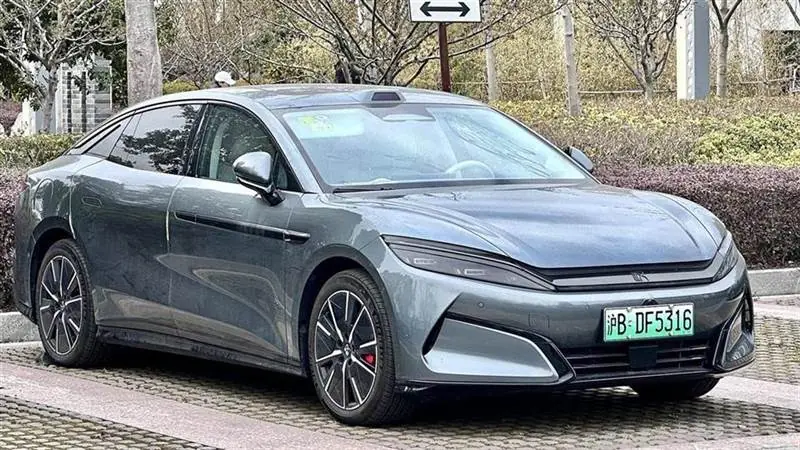
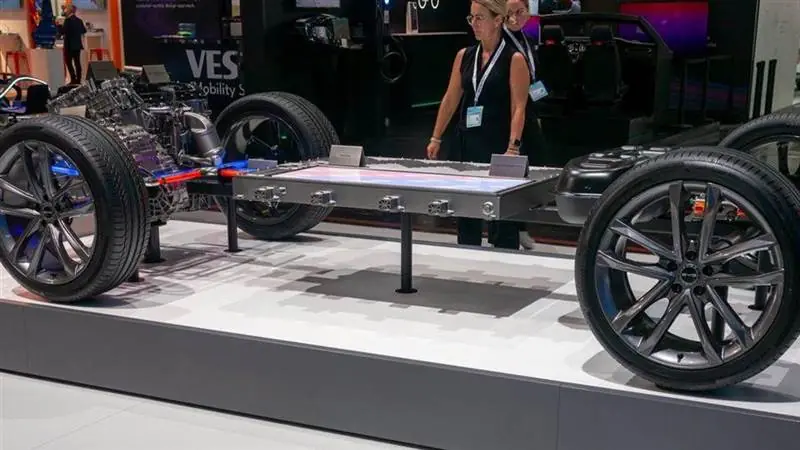
The historic weakness, lower energy density, has been blunted by engineering. Cell-to-pack designs such as BYD's Blade Battery, introduced in 2020, squeeze more active material into each enclosure, and CATL has since shown LFP cells it claims support ranges around 800 kilometers alongside very high-rate fast charging. Successor designs keep closing the gap: BYD's second-generation Blade battery, announced in March 2026, is claimed to charge from 10 to 70 percent in five minutes under ideal conditions.
CATL and BYD Anchor the Supply Chain
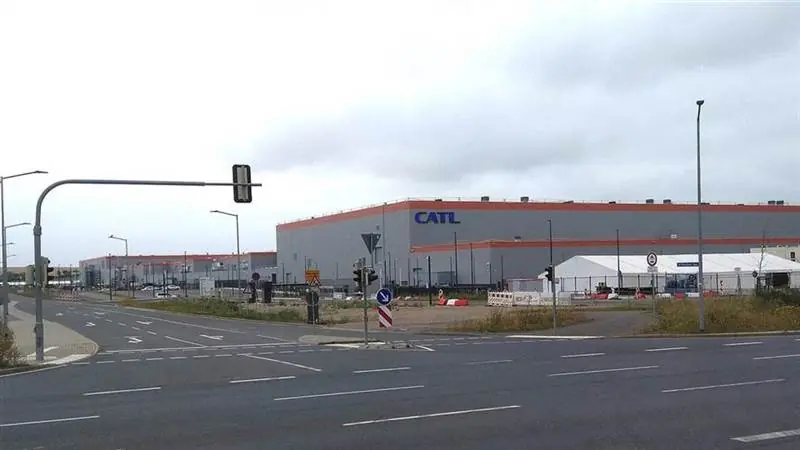
Two companies control the LFP economy. According to SNE Research, CATL held close to 40 percent of the global EV battery market in the first months of 2026, with BYD second at around 15 percent; together the two Chinese giants supply more than half of the world's EV cells, and the great majority of those are iron-based. Chinese suppliers collectively held roughly 73 percent of global installations in early 2026, a concentration that gives China enormous leverage over the chemistry's global rollout.
That dominance is now shaping policy debates abroad. The IEA notes that in the European Union, LFP made up just over 10 percent of battery demand in 2025 and was almost entirely imported from China. In the United States, LFP's share actually fell by nearly half, as new tariffs and the loss of purchase incentives discouraged adoption of Chinese-made cells. For Western automakers, the technology they need most is the one their trade policy makes hardest to import.
Crossing Into Western Showrooms
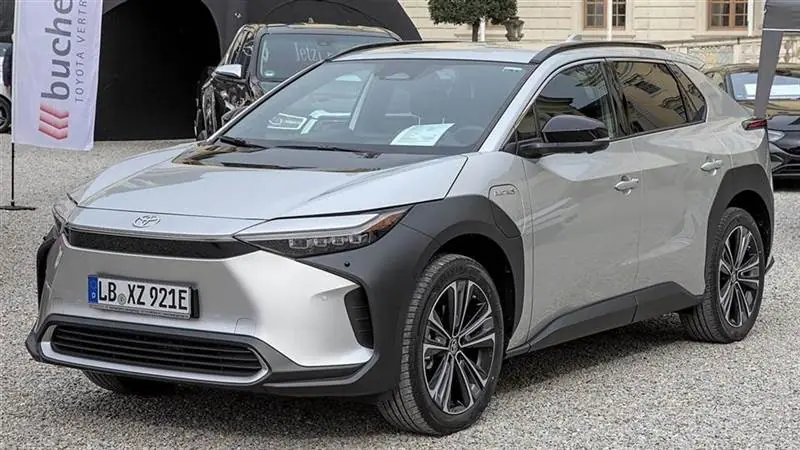
LFP is no longer a China-only story. Tesla began moving its standard-range vehicles to LFP packs in 2021, citing the chemistry's cost and cycle-life advantages, and now fits them across much of its entry lineup. Ford announced in 2023 that it would build LFP packs in Michigan using technology licensed from CATL, aiming to pair the cheaper chemistry with vehicles that still qualify for US production incentives. European brands including Stellantis, Renault, and several Volkswagen Group lines have confirmed LFP-based models for the second half of the decade, drawn by the promise of durable, affordable mass-market cars.
Buyers benefit in ways that show up in daily ownership. An LFP pack can be charged routinely to 100 percent without accelerated degradation, which simplifies home charging habits. Its tolerance for frequent DC fast charging suits drivers without a home outlet. And because the cells contain no cobalt, the ethical and supply-chain concerns that shadow nickel-based batteries largely disappear.
What Comes Next
The IEA projects that global EV battery deployment will approach 3 terawatt-hours by 2030, and every credible roadmap assumes LFP keeps the majority share it has now won. Manganese-enriched LFP variants promise higher energy density at similar cost, while sodium-ion cells, which share LFP's safety philosophy, are beginning to appear in entry-level Chinese models. Nickel-based chemistries will retain the premium, long-range segment, but the center of gravity has clearly moved.
For consumers, the practical takeaway is simple: the most affordable electric cars of the next several years will almost certainly ride on iron-based batteries, and the era of treating LFP as a compromise is over. The chemistry that analysts once expected to lose the market has, by the numbers, won it.